Stitch by stitch: how a Velodynn jersey is made
A cycling jersey looks simple. Front, back, two sleeves, a zip, three pockets. Then you try to make one that fits a body folded over a bike for five hours, breathes on a ten per cent ramp and still looks sharp at the café stop — and you realise you are holding one of the most technical garments anyone will ever wear.
This is how ours come to life. No shortcuts. That was the only rule.
It starts flat
Every Velodynn jersey begins as a set of flat shapes on a screen: a front panel, a back panel, two sleeves. Laid out like a puzzle before a single thread has been cut.
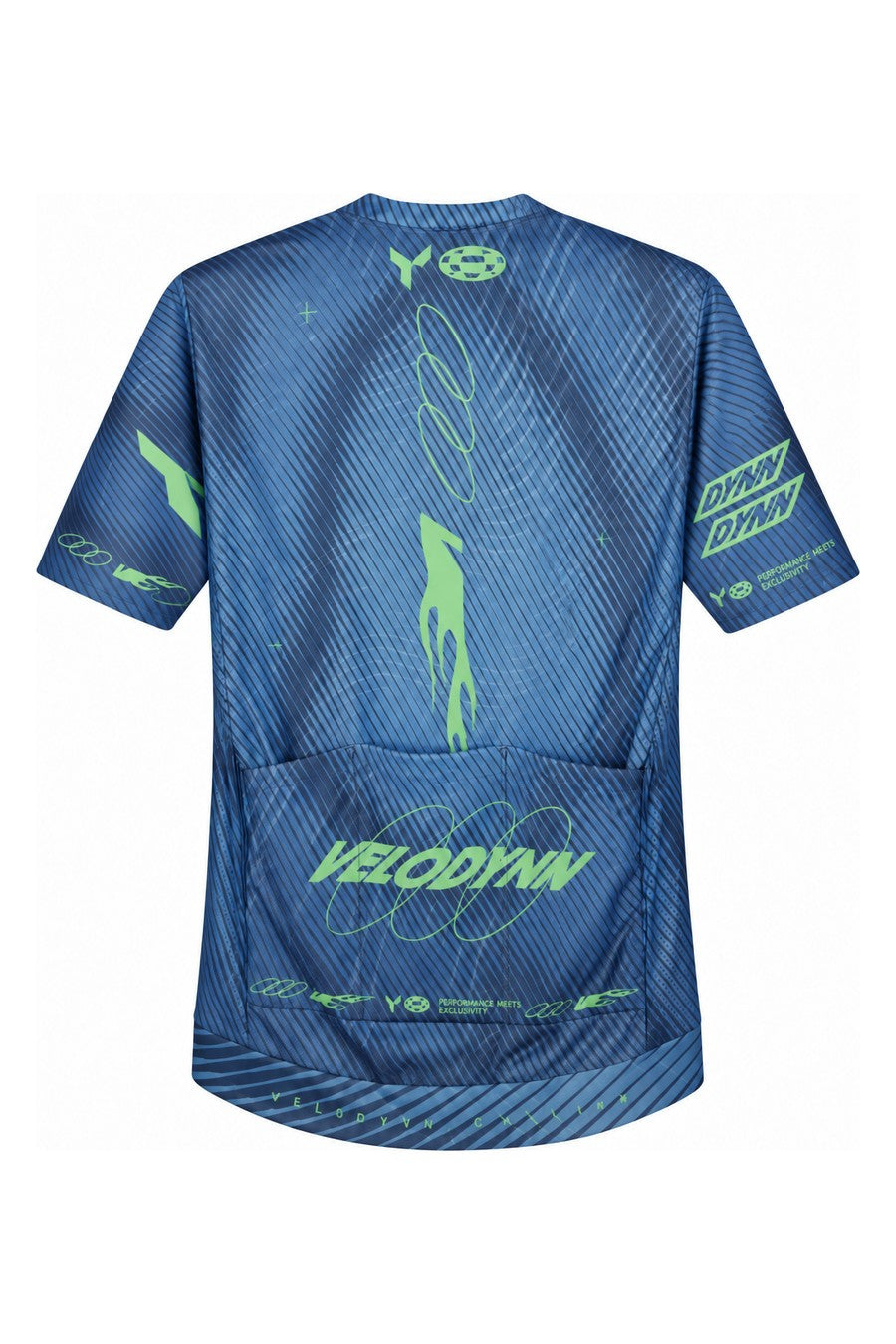
This is where the design really happens. Lines have to run across the seams without breaking. The logo has to sit exactly where the body will stretch it just right. Colours have to meet where the fabric meets. A millimetre off on the screen becomes a centimetre off on your back.


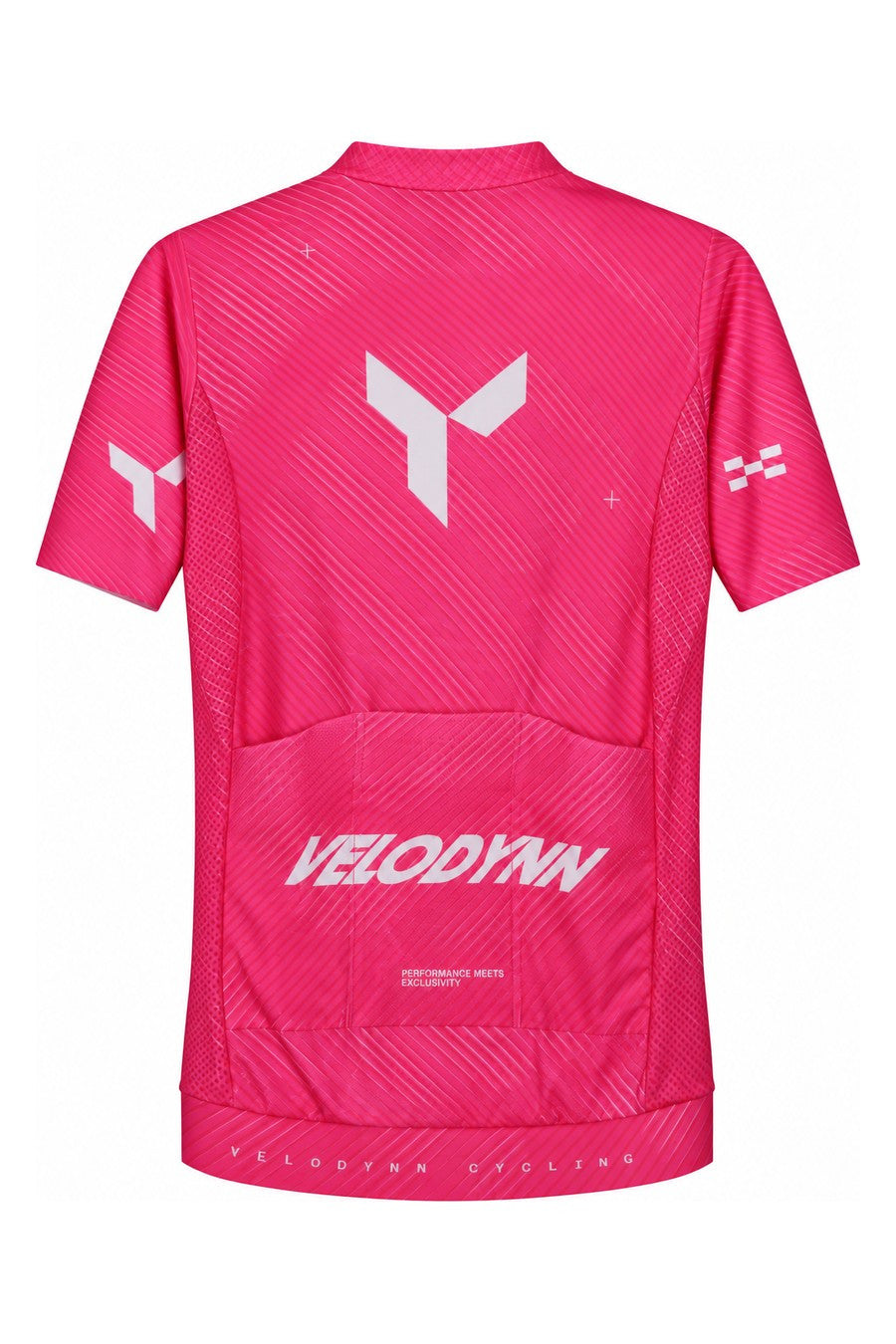
Look closely and those pink shapes are not a jersey lying on a table. They are a map of a rider in the riding position: shoulders rolled forward, back long, sleeves turned slightly towards the bars. A jersey designed standing up never fits sitting on a bike.
Fabric, chosen one by one
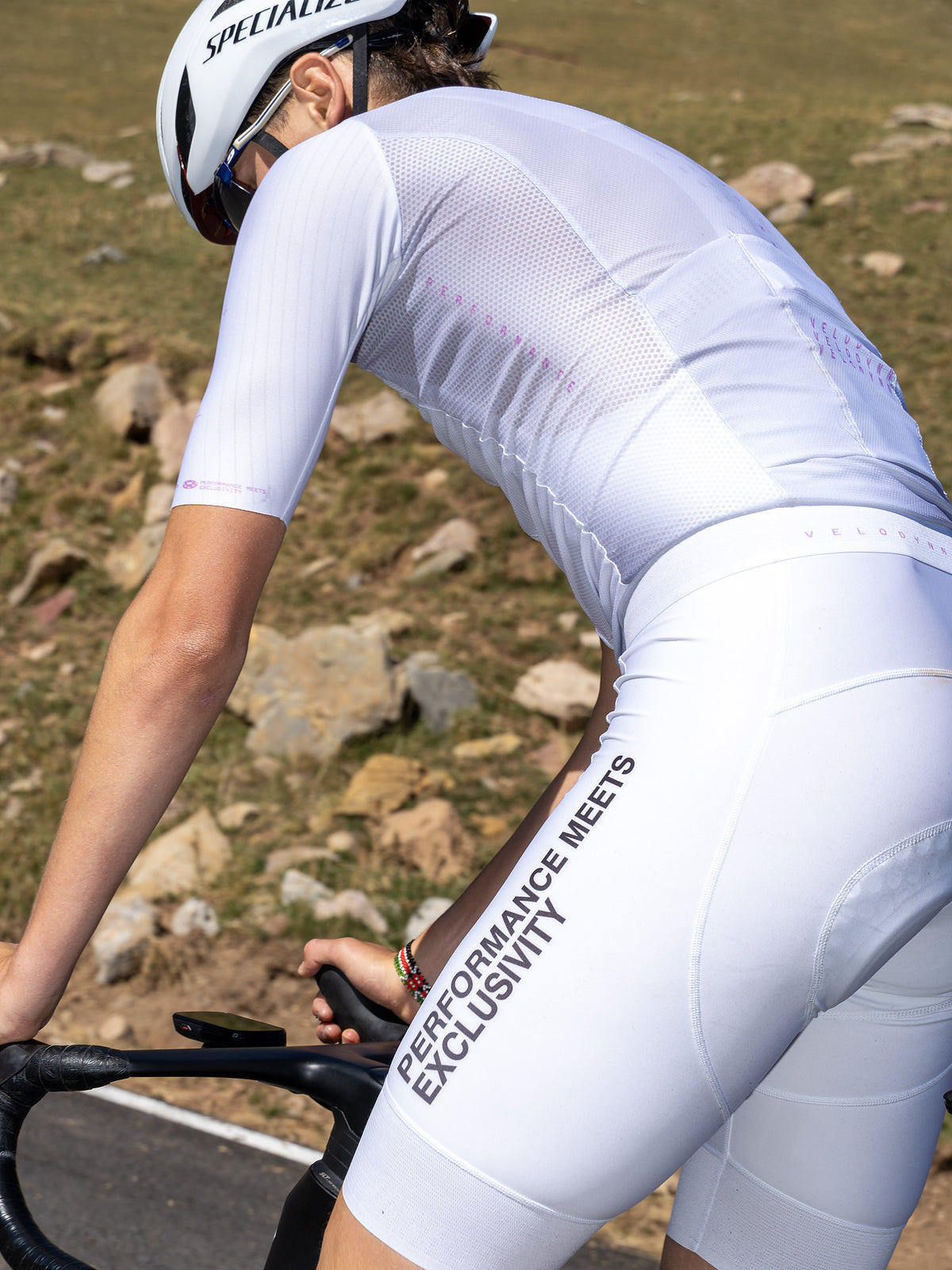
Then comes the fabric — and this is where Italy comes in. Our fabrics come from Italy, and they aren’t picked from a catalogue for how they look on the roll. They are chosen one by one for how they move: how they stretch when you reach for the drops, how they recover when you sit up, how they breathe when the sun lands on the back of your neck at the top of a climb.


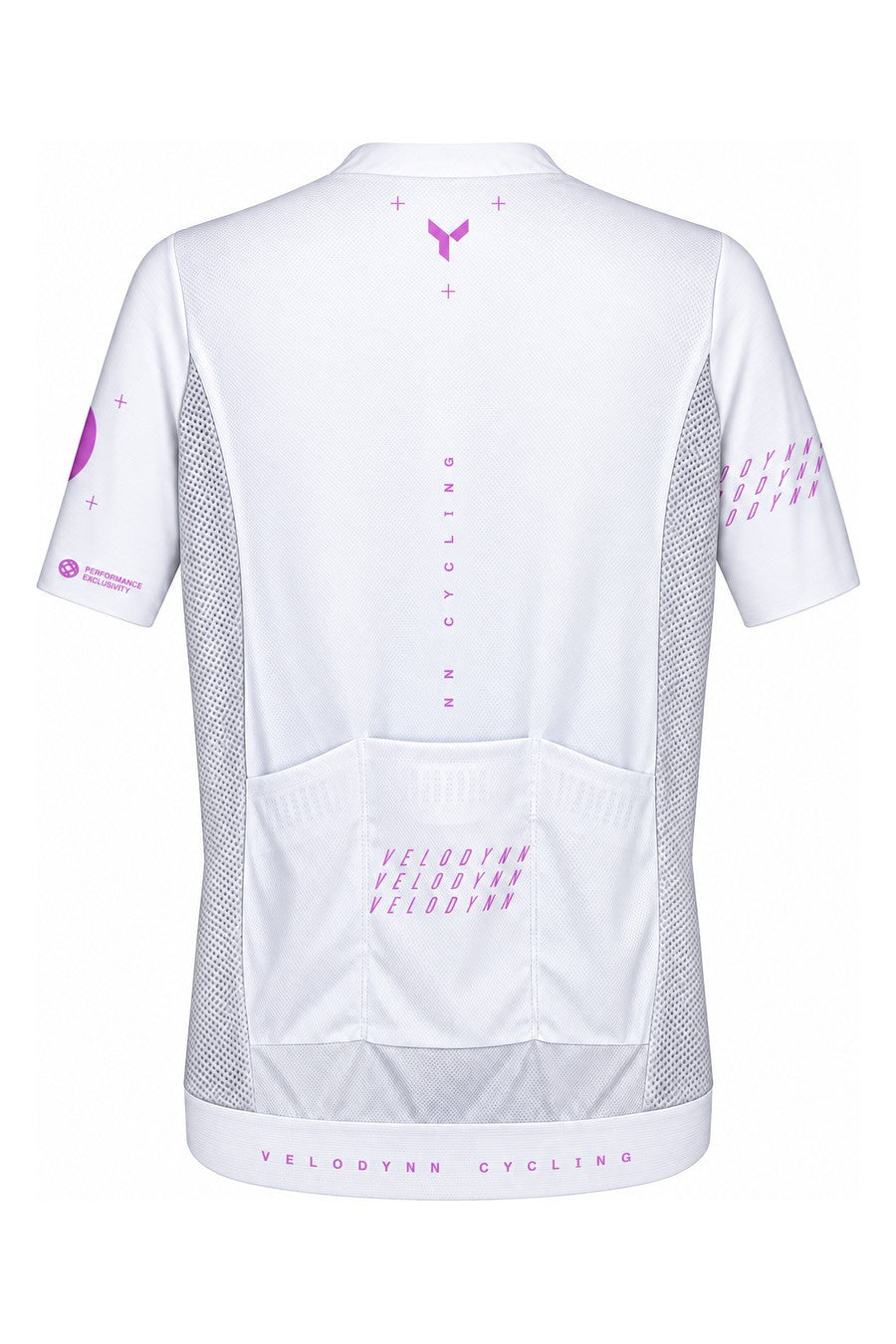
Some panels are there to hold. Some are there to breathe. Some are there to disappear. The mesh goes where heat builds up most, the tighter knit goes where the fabric has to stay put. Nothing is where it is by accident.
Chosen for how it behaves on skin, not just how it looks.
Many hands, many times
Then everything is sewn in Catalonia, in a workshop with a long tradition in technical cycling clothing, where the craft has been passed down for generations. Each of our pieces goes through expert hands across several stages of construction, with the care of a small workshop rather than the speed of a big line.
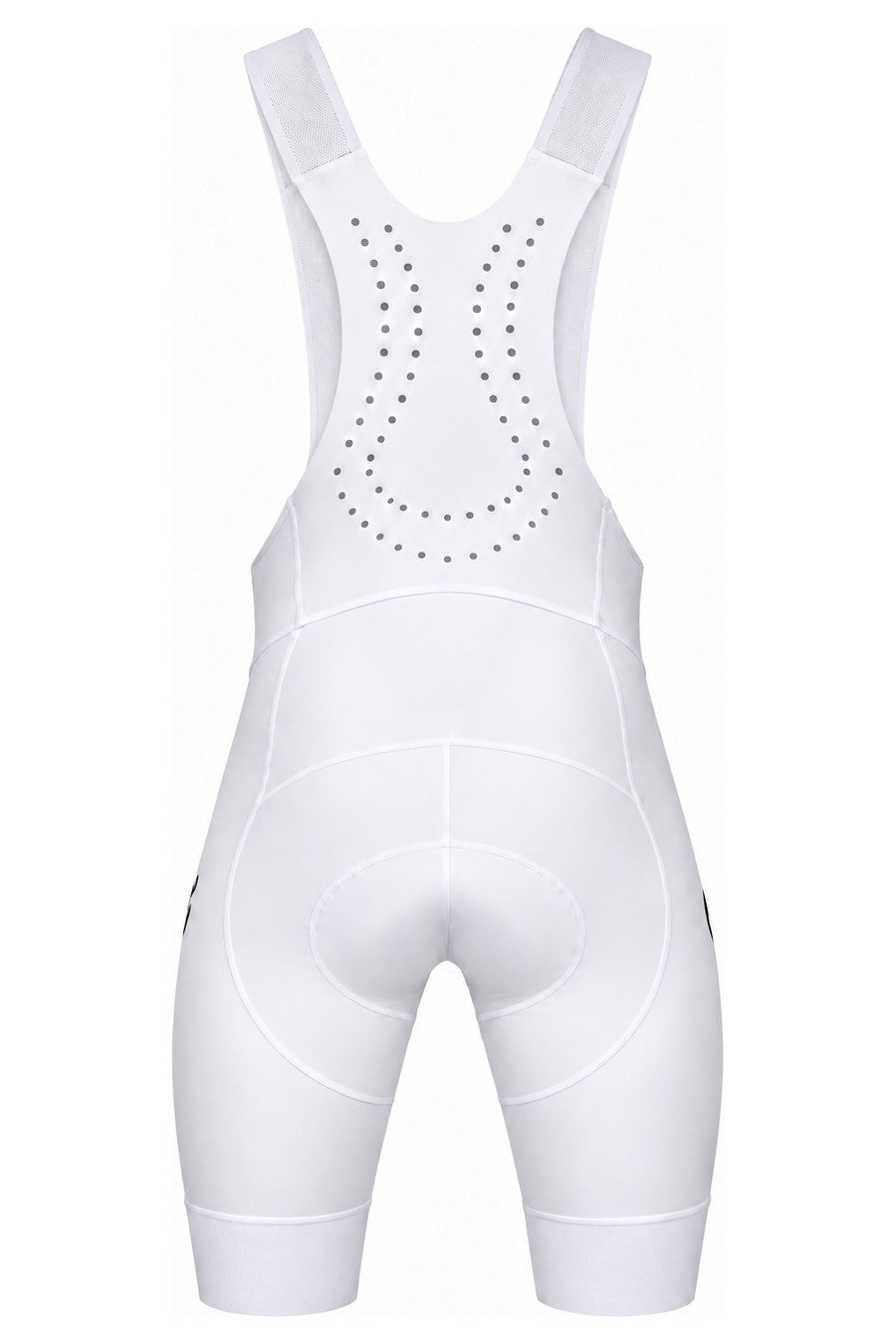
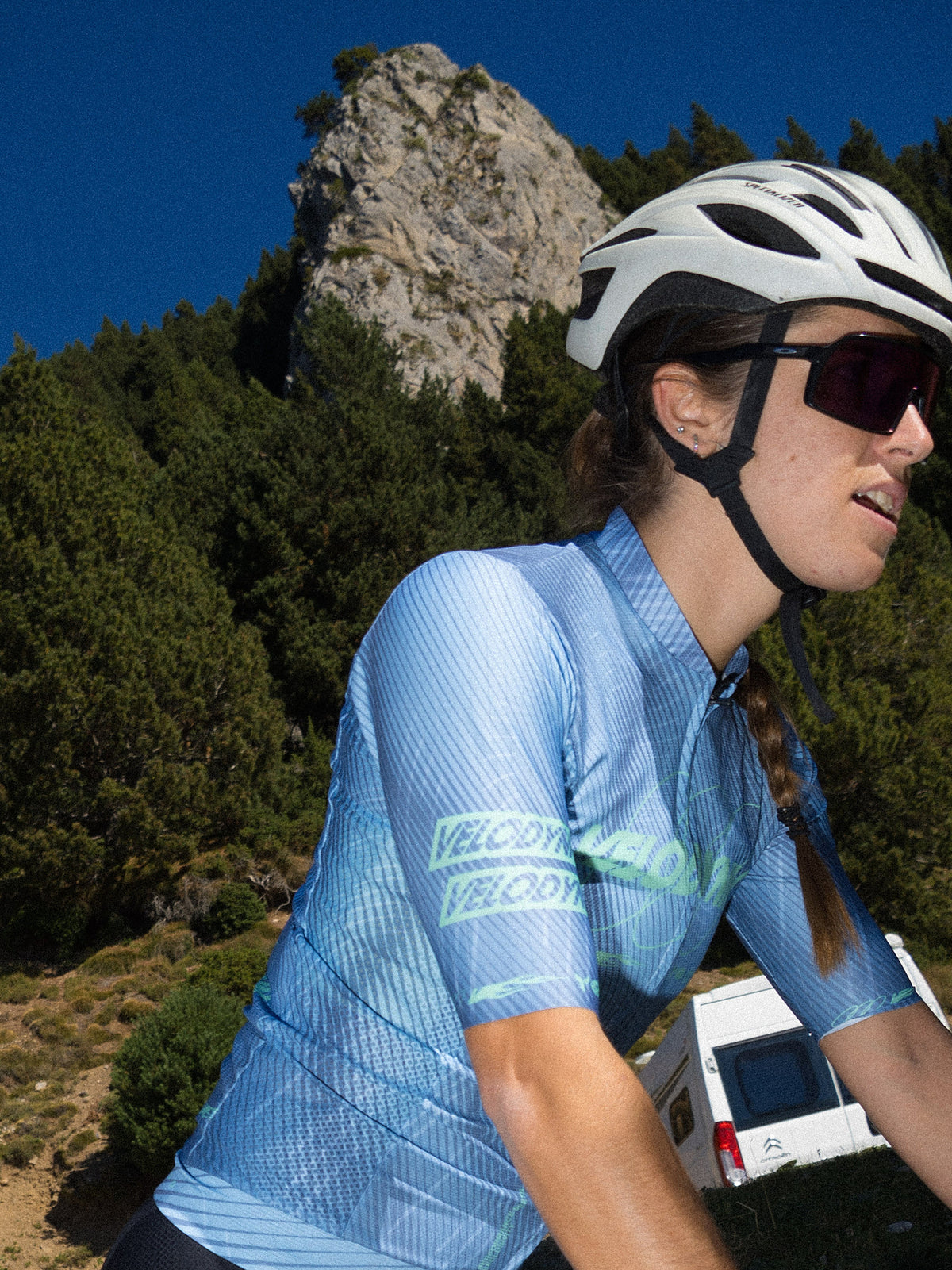
Seams are flat, so they don’t dig in when you are tucked on the drops. Sleeves are cut clean, so they hold the arm without squeezing it. It is slow work. It is meant to be slow. A jersey that was rushed will feel rushed in the fourth hour of a ride.


The final check
Before anything leaves the workshop, every garment is inspected individually. Seams, print, zip, pockets, label. The goal is simple and hard at the same time: the jersey that lands on your doorstep should be exactly the one we promised — the same as every other one in the run.
And the runs are short. Very short, and numbered. When an edition is gone, it’s gone. Fewer pieces, made properly. That’s the deal.